Our Founder
Dedicated student leadership driving global access to neuroscience education and research opportunities.
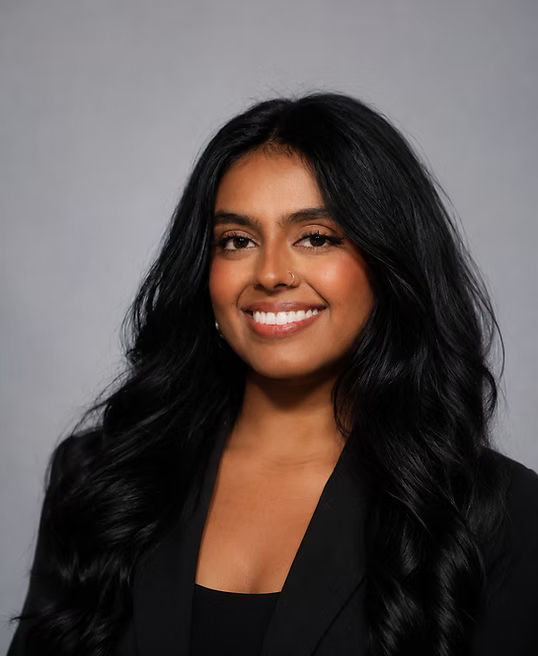
Founder's Mission & Story
When I first became interested in neuroscience, I recognized that I lacked both the experience and opportunities that many students already had. I did not have access to mentors or programs that were willing to provide me with that initial opportunity, and without prior experience in neuroscience or research, I often felt that I lacked a competitive advantage when applying to academic programs and camps.
Rather than allowing that to limit me, I dedicated a year to independently developing my knowledge and skills in neuroscience and research. During that time, I co-authored a research poster focused on cerebral palsy, which gave me valuable exposure to the research process and showed me how difficult it can be for students to gain meaningful experience without existing connections. That experience ultimately motivated me to establish Neuroscience Nation.
We provide students with structured opportunities to engage with research from the beginning, rather than simply expecting them to already have experience. Through our research fellowship, students are guided through the research process, including identifying and refining a research question, conducting literature reviews, evaluating and organizing scientific sources, developing a methodology, analyzing findings, and communicating their conclusions.
We also place a strong emphasis on scientific communication by teaching students how to develop academic research posters and present their work through formal research presentations and pitches. In addition, we provide workshops, mentorship, guest speaker sessions, and opportunities for students to collaborate with peers who share similar interests in neuroscience and the broader biomedical sciences.
Ultimately, Neuroscience Nation was created to address the opportunity gap I personally experienced and to give students the chance to build tangible research experience and develop skills that they can carry into future academic programs, competitions, and research opportunities, regardless of whether they had those opportunities when they first became interested in neuroscience.